Cooling requirements in Food & Beverage Processing are rarely identical for every machine. Start by identifying what is generating heat, where that heat is located, and what temperature must be controlled.
What needs cooling in Food & Beverage Processing?
Typical requirements can involve electrical enclosures, drives, motors, hydraulic systems, machine circuits, process fluids or other heat-producing equipment. The correct solution depends on the actual heat source rather than the industry name alone.
Cooling Applications
- Electrical control panel and enclosure cooling
- PLC, HMI, VFD and drive cabinet temperature control
- Machine and equipment cooling
- Hydraulic oil cooling where applicable
- Spindle or machine-circuit cooling where applicable
- Process water or other process-fluid cooling where applicable
- Temperature control for applicable equipment
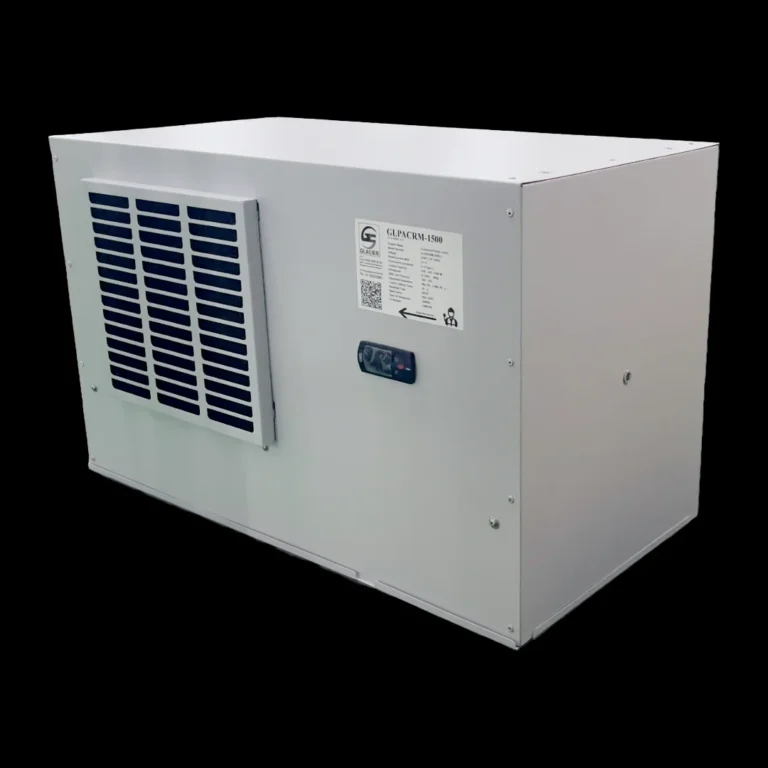
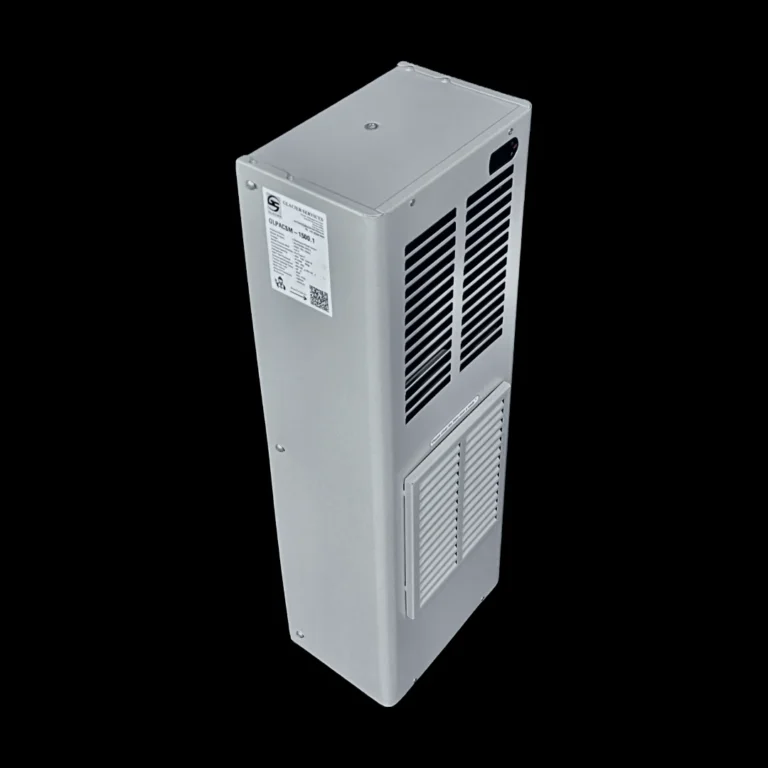
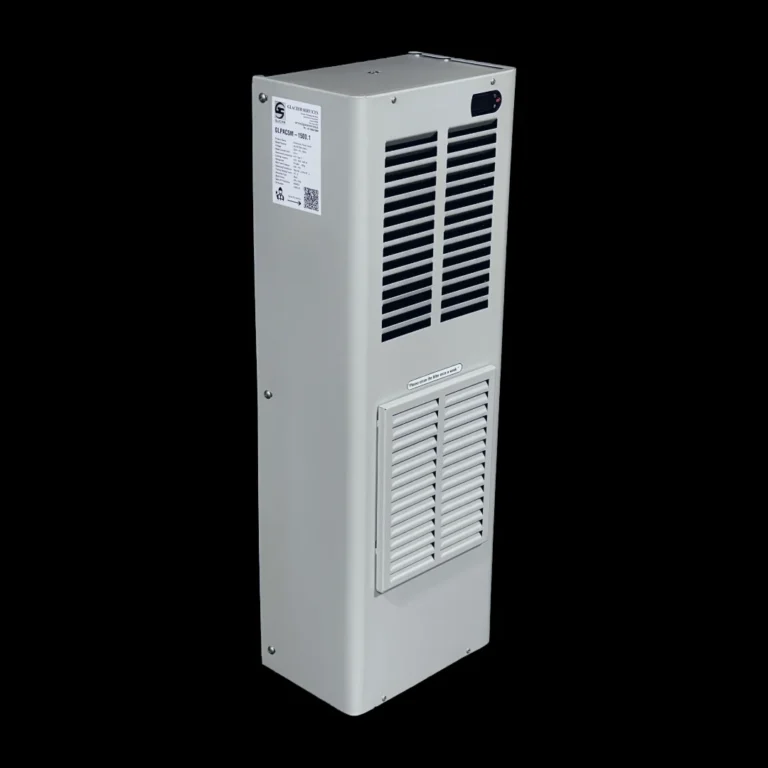
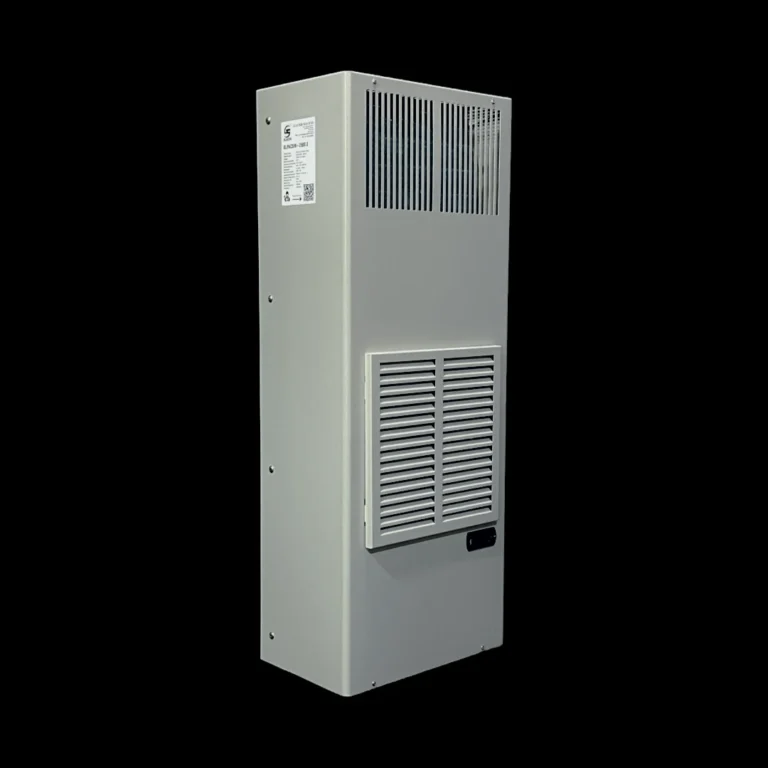
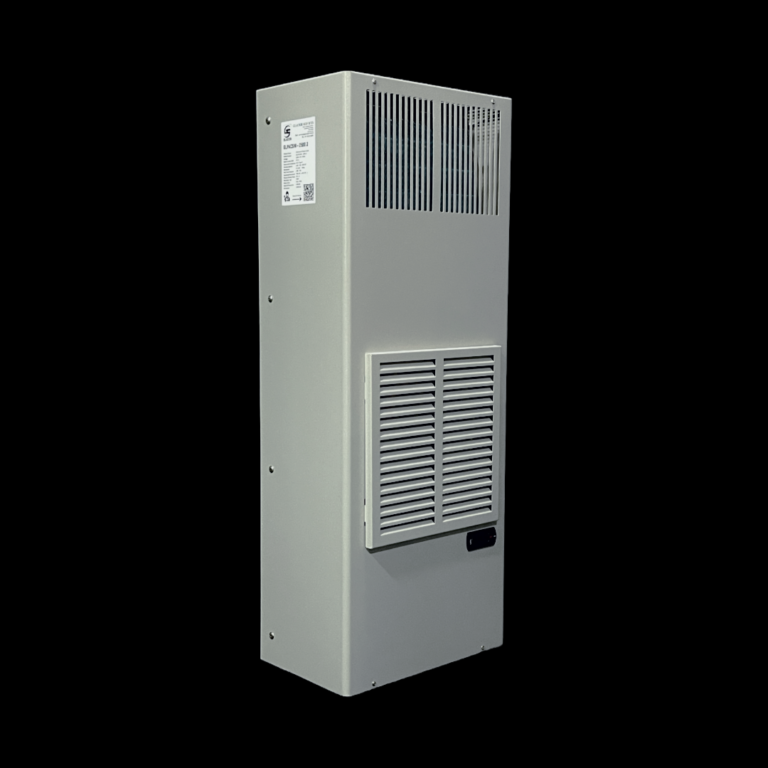
Panel AC for Food & Beverage Processing
Panel AC is used when heat is generated inside an electrical enclosure and the enclosure temperature must be controlled independently of the surrounding environment. It can be considered for PLC panels, VFD cabinets, automation enclosures and machine control cabinets.
Capacity should be selected from the enclosure heat load, ambient temperature, target internal temperature, enclosure condition and installation arrangement.
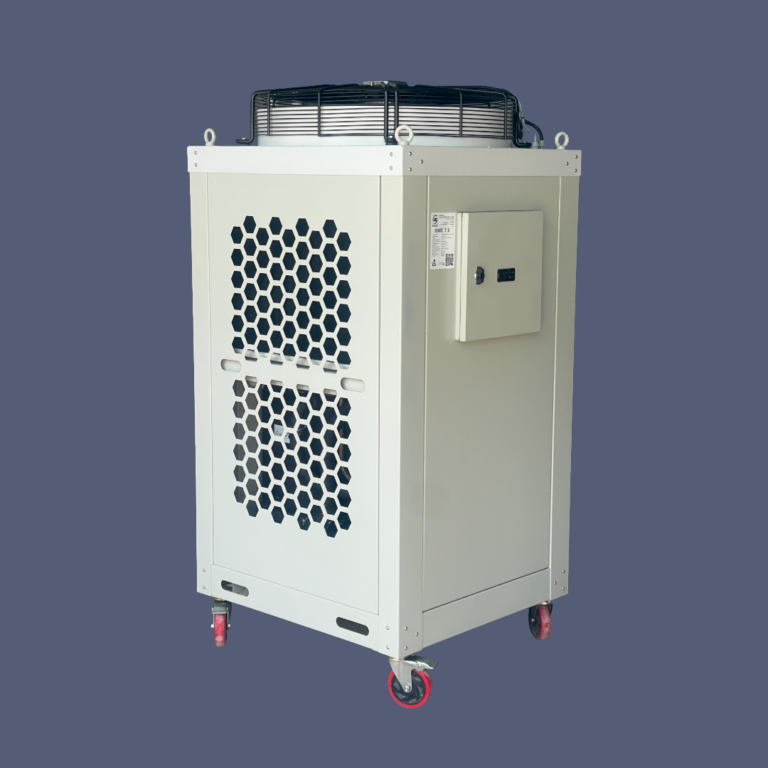
Chillers for Food & Beverage Processing
An industrial chiller may be considered when heat must be removed from a machine, process circuit, water circuit or other suitable cooling fluid rather than directly from an electrical enclosure.
The required configuration depends on the fluid, inlet/outlet temperature, flow rate, heat load and operating conditions. Panel AC and process/machine cooling are separate engineering requirements.
Cooling Requirements
- Heat load or estimated heat generation
- Required operating or target temperature
- Maximum ambient temperature
- Dust, oil, moisture or corrosive conditions
- Cooling fluid and properties, where applicable
- Required flow rate, where applicable
- Installation space
- Electrical supply
- Continuous or intermittent operating duty
How to Select the Right Cooling System
- Identify what is getting hot.
- Determine whether the heat is inside an electrical enclosure or in a machine/process circuit.
- Estimate the heat load.
- Confirm the target temperature.
- Check ambient and environmental conditions.
- Determine fluid and flow requirements, if applicable.
- Check installation and electrical requirements.
- Select the suitable cooling method and capacity.
Not Sure Which Cooling Route?
Send Glacier the equipment or panel model, heat-producing components, present temperature, required temperature, ambient temperature and any available heat-load information. Glacier engineers can help identify the missing information needed for selection.
Frequently Asked Questions
Does every application in this industry need a chiller?
No. A chiller is relevant only where a suitable machine or process circuit requires heat removal. Electrical enclosure cooling is a separate requirement.
Can Panel AC cool the whole machine?
Panel AC is primarily intended to control the temperature inside an electrical enclosure. It should not be treated as a replacement for machine or process cooling.
How do I know what cooling capacity I need?
Capacity should be based on the actual heat load and operating conditions. Ambient temperature, target temperature, flow and fluid conditions can also affect selection.
What if I do not know the heat load?
Provide the available machine, panel and operating information. Glacier can help identify the information required for a more suitable selection.
Talk to a Glacier Cooling Engineer
Tell us what equipment you are running, what is getting hot and what temperature you need to maintain. Glacier can help identify whether the requirement is electrical enclosure cooling, machine cooling, process cooling or another suitable cooling approach.